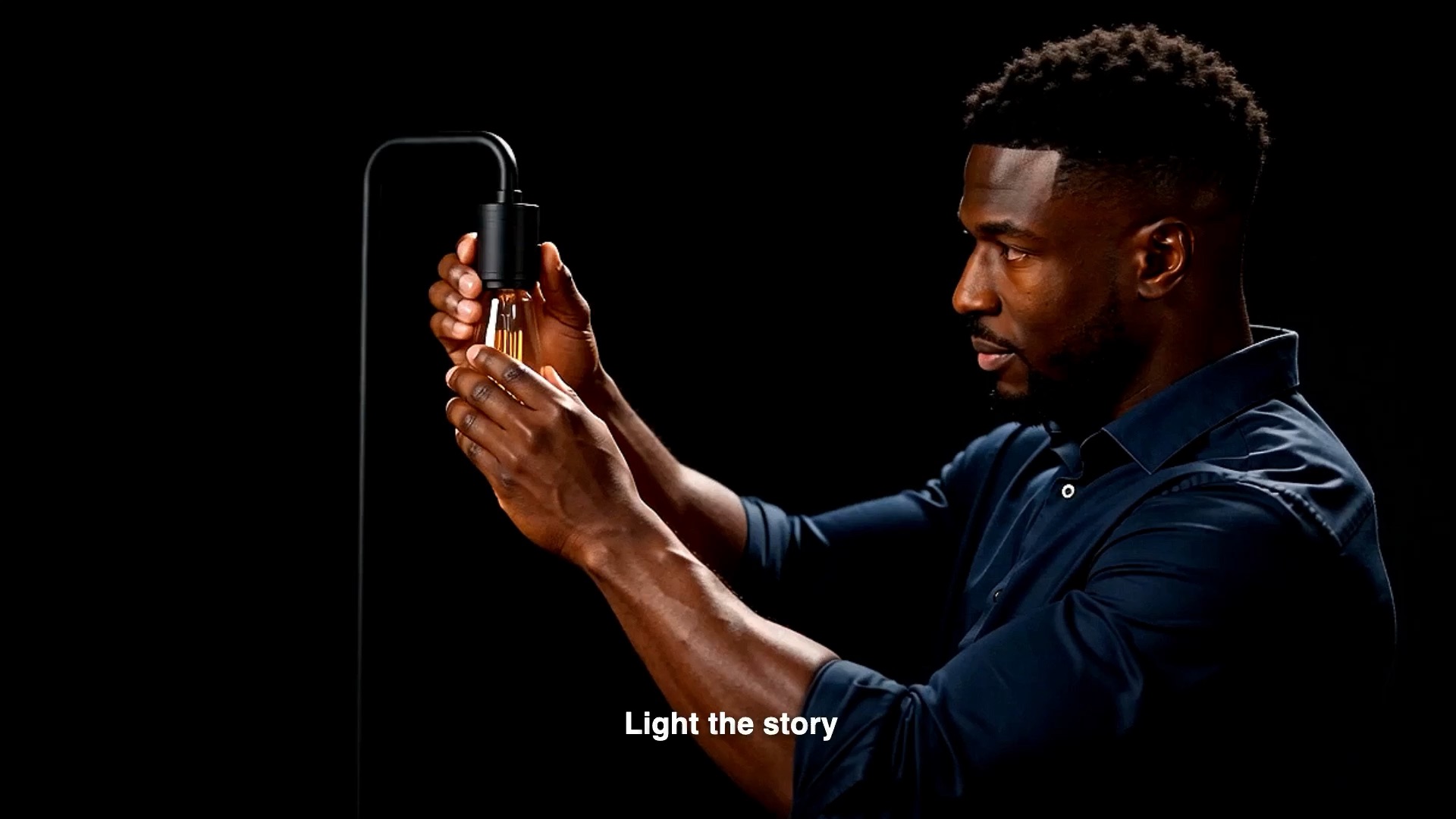
How to turn a podcast episode into Shorts, Reels, and TikToks
One episode can feed a week of clips. Ask the agent for topic moments, land captions on a 9:16 timeline, and tighten the first two seconds by hand.

Pick moments, not minutes
Good clips answer one question or land one opinion. Note topics while you record — pricing, a guest disagreement, a story with a clear punchline — then ask the agent for those moments by topic or rough timestamp. The best clip factories start in the recording booth, not in the export dialog.
Avoid “make me ten random clips.” Vague prompts produce soft opens and endings that trail off. Name the claim you want the clip to start on, and say whether the guest or the host should own the first line.
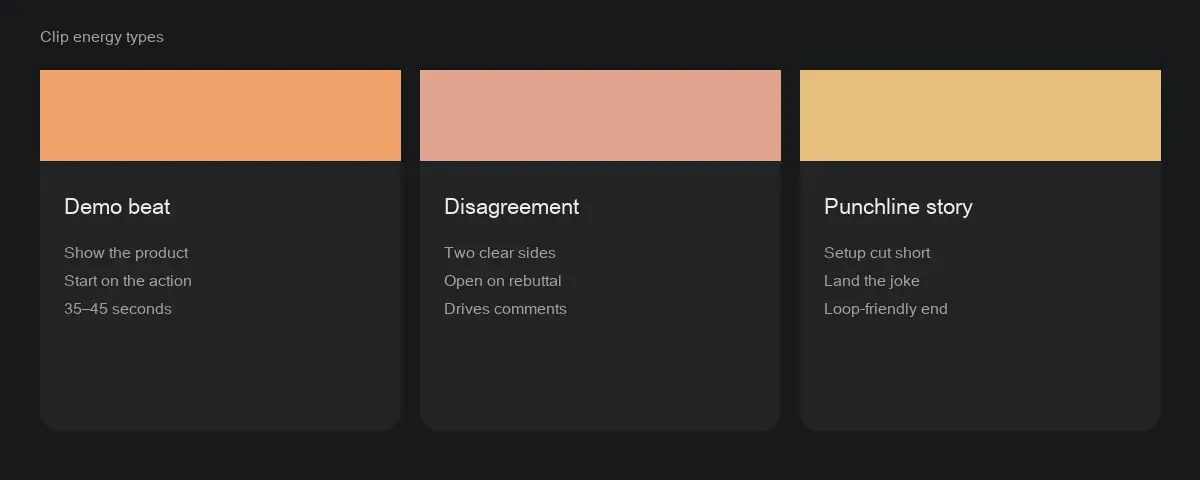
Think in distribution units. A disagreement clip, a how-to clip, and a story clip serve different feeds even if they share the same episode master. Tag them that way in your project so next week’s batch is not a grab bag.


Ingest the full episode once
Upload the full episode into a StarCut project so every clip derives from the same master. That keeps audio levels, color, and guest names consistent across the week’s Shorts. Re-encoding a new mezzanine for every idea is how teams burn a day of ops.
If the source is a long YouTube upload or an interview recording, the same project can also feed a highlight multi-clip pass — find the loudest opinions first, then refine each into a vertical short with captions and safe margins.
Store show art, lower-third styles, and a default caption preset in the project. Clips will look related without forcing every short through a separate brand review.
YouTube long video → highlight multi-clips
The clip workflow, step by step
Run this once per episode. Duplicate the project or sequence for each approved moment so captions and reframes do not fight each other on a single crowded timeline.
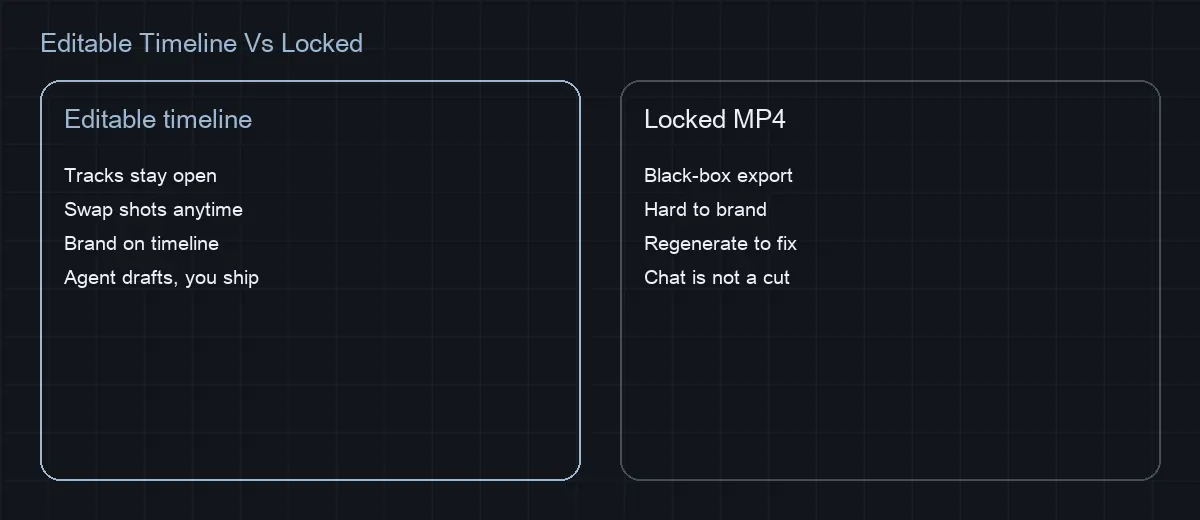
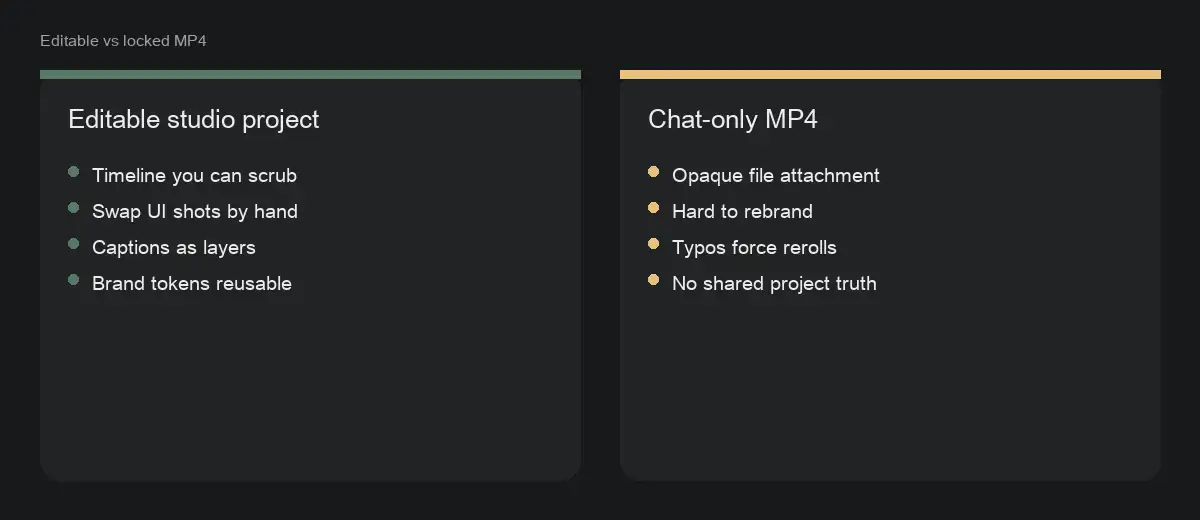
Your quality gate is simple: after the agent proposes a cut, you must be able to tighten the hook and fix a name on the timeline. If you only received files, you left the studio.
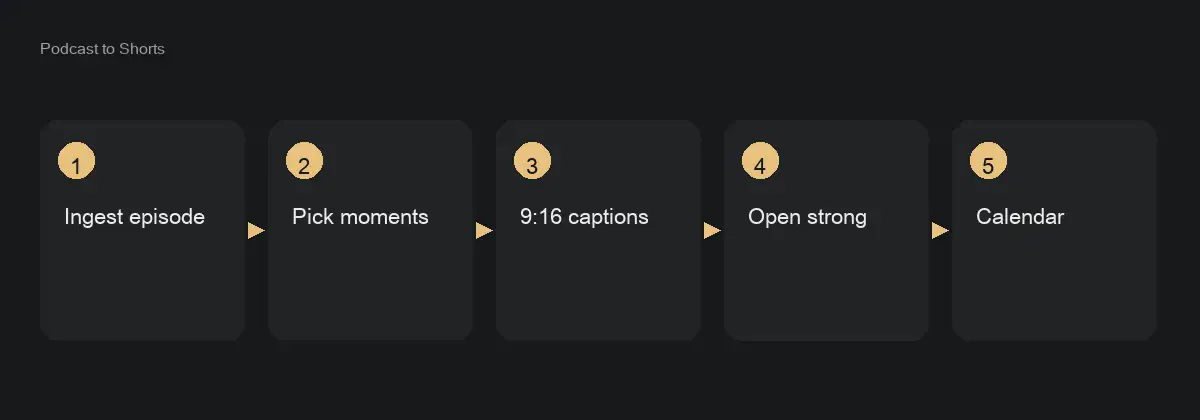
- Upload the full episode (video or audio) to a StarCut project and name it after the episode title.
- Ask with constraints: “Find the 45 seconds where we discuss pricing; make it 9:16 with captions.”
- Scrub the cut on the timeline. Tighten the first two seconds so the claim lands before any throat-clearing.
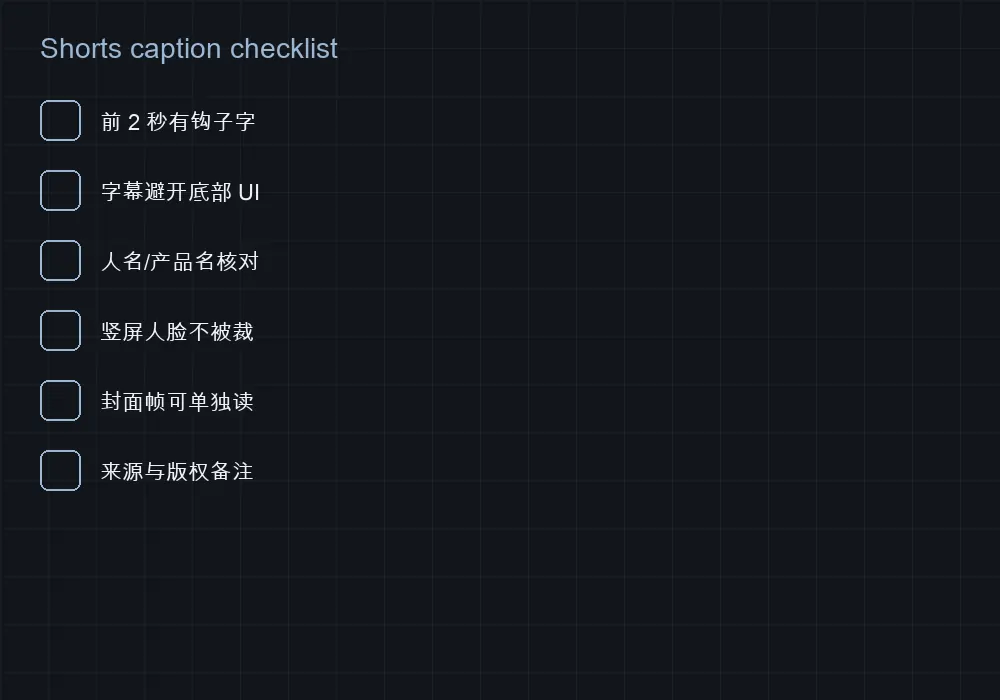
- Fix speaker labels, burn-in safe margins, and any misheard proper nouns in the captions.
- Add or swap visuals if the frame is empty: B-roll, waveform layout, or guest stills.
- Export the vertical master with a clear filename, then duplicate the project for the next topic moment.
- Log claim + publish date so the week’s calendar does not stack near-duplicates.
- When a clip wins, duplicate that sequence for a follow-up angle instead of re-finding the moment cold.
Open strong (and end clean)
The first seconds decide whether people keep watching. Start on the claim, not the setup. Trim the intro breath by hand if the agent left a polite pause — politeness does not retain scrollers.
Pair the open with captions that a muted viewer can read. Platforms often autoplay without sound; a silent first frame that only shows two hosts nodding will lose the scroll before the joke lands.
End on a completed thought. Trail-offs and host crosstalk feel broken when the short loops. If you want a CTA, put it on-screen in the last second rather than as a mumbled “link in description.”

Audio-only shows still need a picture
Pure audio episodes work, but Shorts need a visual bed. Add generated B-roll, a waveform layout, guest stills, or a simple multicam-style layout on the timeline instead of exporting a black frame with captions.
Keep the horizontal audiogram or show master if you also publish to YouTube. Derive vertical versions in the same project rather than starting a second edit from the MP3 alone — loudness and chapter math will drift otherwise.
When guests send only a headshot, build a small kit: headshot, logo, waveform color, and caption style. Reuse it so audio-only weeks still look intentional.

Guest approval, misquotes, and trust
Captions make misquotes obvious. Review each clip on the timeline before publishing, especially when a guest states numbers, medical claims, or employer names. Fix spelling before the short becomes a screenshotable quote card.
Some guests approve the long episode but not every short. Send keepers with timecodes or project links when your release process requires it. Faster than arguing after a clip is already in three feeds.
For sensitive topics, prefer clips where the guest’s full clause is intact. AI cuts that snip mid-caveat create reputation risk that no growth metric offsets.
How this compares to audiogram apps and manual NLE clips
Audiogram apps are fine for a waveform poster. They struggle when you need selective storytelling, speaker-aware captions, and a vertical reframe that still looks like your show. StarCut keeps those decisions on one timeline.
Manual NLE clipping scales poorly across a season. The agent’s job is candidate finding and first assembly; your job is taste — hooks, accuracy, and brand. That split is what makes a weekly cadence possible without hiring a full-time clipper on day one.
If the “podcast” is already a polished YouTube longform with chapters, start from the YouTube highlight guide, then apply this guide’s hook and caption standards to each keeper.
A simple weekly clip calendar
Three to seven strong moments beat twenty soft ones. Map them across the week: advice clip early week, story mid-week, disagreement when you want comments, CTA-oriented clip near the long episode publish.
Reuse the project as the season archive. When a theme returns — pricing, hiring, tooling — search prior sequences instead of re-listening to the whole episode for a quote you half remember.
Measure saves and profile visits more than raw views when judging clip quality. Soft entertainment clips can inflate views while advice clips grow the show.
Related StarCut workflows
Net-new story films and product explainers are brief-first, not episode-first. Use those when you lack a recording and need a sixty-second claim film.
Coding hosts can drive the same studio through MCP; desktop clients help when local media libraries get heavy. Keep the editable project as the source of truth either way.
One sentence → 60-second video
Tie clips back to show notes and SEO
Each short should map to a show-notes heading or FAQ on the episode page. That turns vertical traffic into indexed longform instead of a dead-end loop.
Reuse the claim sentence as the Shorts title and as an H2 candidate on the blog or episode transcript. Consistency helps humans and crawlers.
When a clip outperforms, expand it into a standalone article or newsletter section — the audio already proved demand.
Remote guests, bad webcams, still shippable shorts
Uneven lighting and soft webcams are normal. Prefer tighter reframes, stronger captions, and B-roll covers over pretending the image is cinema.
If one guest’s feed is unusable, cut to the strong feed or a waveform layout while keeping both audio tracks in sync on the timeline.
Always confirm name spellings before the first clip ships — remote guests are the most common caption miss.
A moment taxonomy for podcast clips that actually travel
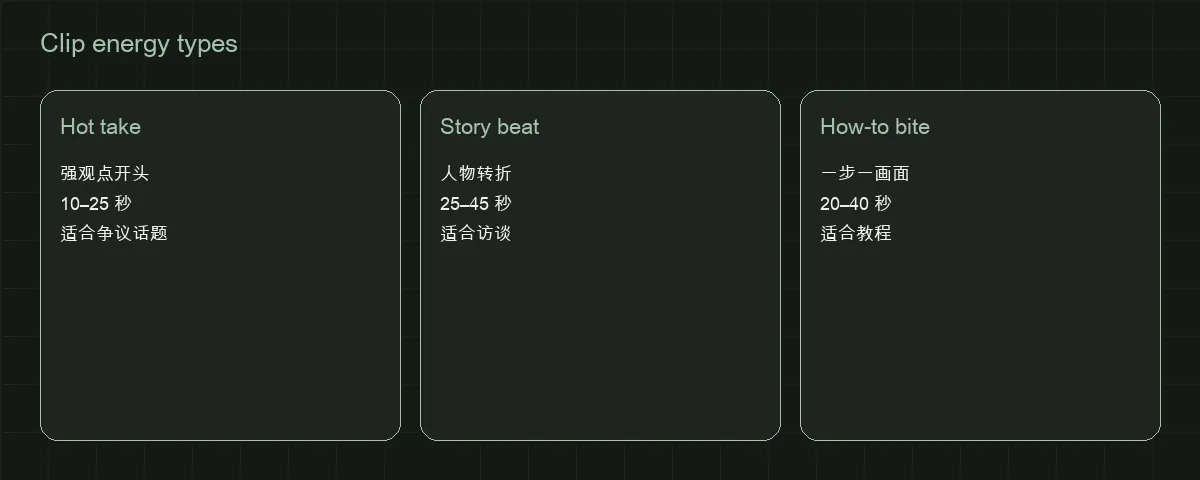
Not every laugh line is a clip. Classify moments before you cut: hot take, story turn, how-to bite, tension resolve, callback payoff, and audience Q that reframes the episode thesis. Taxonomy keeps the agent from proposing twenty near-duplicate 20-second reactions.
Hot takes need a clean cold open and a visible stance in captions. Story turns need enough context that a stranger is not lost — usually a one-line title card naming who is speaking and why it matters. How-to bites need numbered steps that survive mute playback.
Mark energy on the transcript: spike, sustain, release. Spikes make hooks; sustains make mid-roll; releases make endings that do not feel truncated. Agents that only search for keywords miss the breath between sentences where the clip should end.
Keep a reject pile. Moments that require three minutes of prior context fail as shorts even if they were the best part of the live episode. Protect your future self from re-litigating those choices every Monday.
Ingest once: masters, stems, and show notes that stay linked
Import the full episode as a single master. If you have clean vocal stems, bring them too — they make audiogram-style captions and ducking less painful when music beds fight speech. Link the public show notes URL in the project description so SEO titles stay consistent with the clip packaging.
Normalize loudness before you ask for clips. An agent that cuts from a wild live stream will inherit every mic drop and laugh spike. A calm master yields calmer shorts.
Name chapters in the project even if your host platform already has them. Chapter names become clip working titles and YouTube description seeds. Ambiguous chapter titles become ambiguous analytics later.
When guests send over-zoom recordings with different clocks, align once at ingest. Do not realign per clip; that is how lips drift and trust dies.
Walkthrough: from transcript highlights to vertical exports
Ask the agent for a ranked list of clip candidates with start/end, energy type, and a one-line hook. Reject anything that cannot state a hook in twelve words. Then generate three cuts on the timeline — not thirty chat essays.
For each accepted candidate, force a vertical reframing pass and a caption pass. Check faces, lower-thirds, and waveform decorations against platform safe areas. If the host’s forehead is gone, the clip is not done.
Burn or attach captions depending on destination. Keep an unburned master in the project. Guest names must match the spelling they use publicly; wrong names create social debt.
Export with cut IDs that include episode number and energy type. Your social calendar and your analytics will both make more sense next quarter.
- Rank candidates with hooks
- Build three timeline cuts
- Reframe + caption QA
- Export with episode cut IDs
Open hard, end clean: the two frames that decide retention
The first frame should already contain a readable stance or question. Waveform-only opens underperform when the platform autoplays muted. Pair a bold caption with a face or a decisive gesture.
End on a resolved beat or a crisp CTA to the full episode — not on mid-clause laughter. Truncated jokes teach audiences to swipe early next time.
Mid-roll, keep one visual idea. Flipping through five decorative stickers does not equal pacing; it equals noise. Let the conversation be the entertainment.
If you must tease the full episode, do it after the idea lands. Teasing before payoff feels like bait; teasing after payoff feels like an invitation.
When the show is audio-first: building picture without lying
Use host/guest faces when you have them. When you do not, prefer honest audiogram patterns, chapter title cards, and simple B-roll that illustrates the metaphor without inventing fake documentary scenes of “the lab.”
Consistency beats novelty. A recognizable lower-third style across a season trains audience memory better than a new template every clip.
Avoid AI faces that are not the guests. Deepfake-adjacent thumbnails destroy trust faster than a plain waveform ever will.
If you illustrate with stock, label concepts, not fake reportage. Viewers forgive stylization; they do not forgive implied false presence.
Guest approval without killing your clip cadence
Set expectations in the booking email: you will ship short clips; guests can flag factual errors and harmful out-of-context cuts within a defined window. Unlimited prior restraint kills newsroom-speed social.
Send timecoded candidates, not vague feelings. “0:12:40–0:13:05 hot take on pricing” is reviewable. “A few fun moments” is not.
If a guest kills a clip for brand reasons, archive it with the reason. Do not silently recycle it next month when memories fade.
For contentious topics, prefer clips that include the guest’s caveat in-frame. Editing out the nuance is how podcasts earn the wrong kind of virality.
Audiogram apps, manual NLEs, and StarCut agent clips
Audiogram apps are fast for waveform-on-color and weak when you need multi-cam reframes, brand kits, and editable multi-clip batches from one master. Manual NLEs can do everything and bottleneck on operator hours.
StarCut’s lane is agent-assisted selection plus an open timeline: you keep control of endings, captions, and brand while skipping the blank-sequence tax.
If your show is music-first with complex stems, you may still finish in a traditional DAW/NLE. Use StarCut for talk-forward seasons and social packaging.
Judge tools by hours from publish of the full episode to three platform-ready shorts. Vanity render quality without cadence loses to a slightly simpler look that ships same day.
A weekly clip calendar that does not burn the host
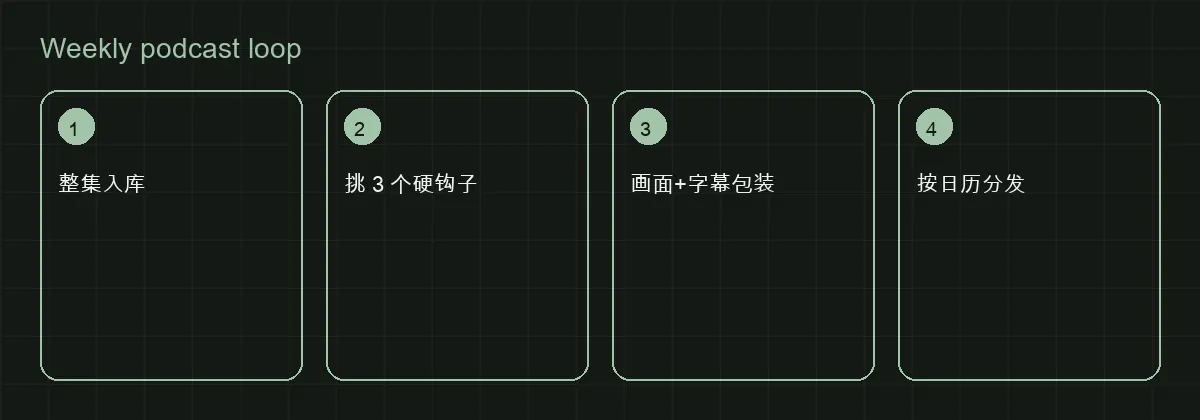
Monday: ingest and loudness. Tuesday: candidate ranking with host/producer. Wednesday: build three clips. Thursday: guest window + QA. Friday: schedule across platforms with unique cut IDs. Weekend: optional community reply clip if comments warrant.
Batch decisions. Hosts hate daily “quick looks.” One Tuesday review of ten ranked candidates beats five interruptions.
Align clip themes with the episode’s SEO title. If the episode is about hiring, do not lead the week with a random joke about snacks unless that joke carries the thesis.
Protect deep-work recording days from packaging chores. Producers own the timeline; hosts own approvals and the occasional on-camera sting.
Bridge clips back to show notes and search
Every clip description should name the episode title, the guest, and a timestamp or deep link. Orphan clips that never mention the show waste the SEO equity of your longform.
Reuse the same primary keyword phrase across episode title, show notes H2, and clip caption — without stuffing. Consistency helps humans and machines connect the graph.
Transcribe clips accurately; wrong auto-captions become indexed wrong. Fix proper nouns before publishing.
When a clip outperforms, update the episode show notes with that angle as a highlighted pull-quote. Let shortform teach you what longform packaging missed.
Remote guests, bad webcams, still shippable shorts
Prioritize audio. A soft image with clear speech beats a sharp image with robotic compression artifacts on the voice. Ask guests for headphones and a quiet room before you ask for 4K.
If the webcam is harsh, reframe tighter on the better-lit host and keep the guest as a smaller stable tile — or go audiogram-forward for that clip. Honesty about production constraints looks better than fake cinematic grades on noise.
Collect a still headshot from guests at booking for title cards when video fails. Consent covers that use case if you ask.
Never “enhance” a guest face with generative tools that change how they look. Trust compounds slowly and breaks fast.
Music beds, fair use myths, and bed etiquette in clips
Do not assume podcast fair-use myths cover chart music under talking. Use licensed beds or silence. A viral clip with a takedown is negative ROI.
If the full episode has a theme bed, keep clip beds shorter and ducked harder so speech stays king. Clips are read without host goodwill from a long listen.
Credit music when your license requires it — in description, not as unreadable tiny type over faces.
Silence at the end is OK. Many editors fear silence; audiences fear copyright claims more.
Clip analytics that change next week’s ranking rubric
Track completion, saves, follows, and click-through to the episode — not just views. A high-view low-follow joke may be junk food; a mid-view high-save how-to may be your real growth engine.
Tag energy types in your sheet. After a month you will see whether hot takes or story turns grow the show. Let data retire your ego’s favorite bits.
When a platform’s algorithm shifts, re-test hook styles intentionally for two weeks. Do not rewrite your entire taxonomy overnight.
Feed winners back into episode planning. If how-to bites win, book guests who teach. Clips should influence the show, not only market it.
Producer, host, editor: who touches the StarCut project
Producers own ingest, ranking, and exports. Hosts own approvals and factual corrections. Editors own timeline polish and brand. Agents assist all three but do not get merge rights to the public schedule.
Write the roles in the project. Freelancers rotate; folklore does not scale. A one-page RACI prevents double exports under different cut IDs.
Comments should be timecoded. “Make it snappier” is useless. “Cut after the second laugh, before the sponsor read” is useful.
If your “editor” is the agent plus a producer, still run the QA checklist for names, safe areas, and music rights.
Sponsor reads: cut around them or package them on purpose
Most cold-traffic shorts should avoid mid-roll sponsor reads. They kill retention and confuse non-listeners. Keep sponsor-friendly cuts for newsletter or members who already opted into that deal.
If a sponsor wants clips, make dedicated reads with clear labeling. Do not surprise a viral audience with an undeclared ad inside a hot take.
Disclose per platform rules. Agent speed is not a disclosure exemption.
Store sponsor brand kits separately so you do not accidentally bleed their colors into editorial clips.
Packaging differences across YouTube Shorts, TikTok, and Reels
Same timeline, different caption sizes and first-frame text. TikTok often rewards faster hook pacing; LinkedIn-derived Reels may want slightly calmer authority. Derive, do not reinvent the cut.
Hashtag and description strategy differs; the picture master should not. Keep one vertical master and platform-specific text overlays as optional layers.
Watermarks: avoid exporting with another platform’s watermark into a competitor feed. StarCut projects should produce clean masters.
Posting times follow your audience research, not a universal guru thread. Measure your own show.
Accessibility for talk clips: captions, contrast, pacing
Captions are not optional on talk clips. Check contrast on waveform backgrounds; light gray on white fails. Name speakers when more than one person talks.
Avoid strobing audiogram bars. Decorative motion should not become a medical risk.
Pacing that leaves no breath harms comprehension for non-native listeners. Keep micro-pauses after dense jargon.
Offer a transcript link in descriptions when the idea is complex. Clips can be doorways to readable text.
When a clip ages badly overnight
Have a takedown owner. If news breaks that changes the meaning of a joke or claim, pull fast across platforms. Document why in the project aftercare note.
Do not quietly edit and repost as if nothing happened when the change is material. Trust prefers transparency.
Use the moment to improve ranking rules: add a “time-sensitive” tag to candidate review so evergreen clips and newsy clips are not mixed blindly.
Keep legal counsel contacts available for defamation-adjacent topics. Speed without counsel is how shows become case studies.
Season-level systems: templates, kits, and archive hygiene
Lock a season brand kit on episode one. Mid-season redesigns create a feed that looks like three different shows. If you must refresh, do it on a season boundary with a pinned explainer clip.
Archive published cut IDs with their performance snapshot. Future you will want to know what “clip_#ifdef_12_hot_take_b” did without spelunking native analytics UIs.
Delete or archive unused agent experiments monthly. Bin clutter makes the next ranking pass slower and dirtier.
Teach new producers the taxonomy in a one-hour session with three annotated examples. Systems beat heroics.
Prompt library for podcast multi-clips
Candidate prompt: “From this episode master, propose 8 clip candidates with start/end, energy type, 12-word hook, and risk notes (context needed / sponsor adjacent / guest sensitive). Rank for cold traffic.”
Build prompt: “Create timeline cuts for candidates 1,3,5. Vertical reframe, captions, brand kit, end on resolved beat. Do not include sponsor reads.”
Repair prompt: “Replace ending of clip 3; currently truncates mid-joke. Extend to laugh resolve or cut earlier at stance statement.”
Save the prompts that produced shipped cut IDs. Discard clever prompts that only produced chat.
Working the transcript like an editor, not like a search box
Search is how you find candidates; reading aloud is how you kill them. If a line cannot be spoken in a vertical frame without a footnote, it is not a short. Train producers to read candidates cold before ranking.
Annotate discourse markers that make bad opens: “so yeah,” “as I was saying,” “going back to what I said earlier.” Those phrases are glue in longform and poison in shorts.
Preserve the guest’s best precise sentence even if it is quieter than a loud joke. Precision clips become sales and recruiting assets; loud jokes become forgettable sugar.
When the transcript is wrong, fix it before captioning. Garbage in becomes burned-in embarrassment later.
Build a personal lexicon of the show’s recurring concepts so the agent does not rename your frameworks every episode. Consistency compounds SEO and audience education.
How clips feed memberships, live shows, and sponsorship value
Clips are top-of-funnel. Memberships need behind-the-scenes and extended cuts that reward commitment. Do not give members only the same public shorts with a badge sticker.
Sponsors pay for attention and brand safety. Your ranking rubric should include “sponsor-adjacent risk” so sales is not surprised by a viral controversy cut.
Live shows can open with a montage of month-best clips. That montage should be a maintained project, not a scavenger hunt the morning of the event.
Report clip-assisted conversions honestly. If you cannot measure, say so — do not invent attribution folklore to close a sponsor deck.
Clipping across languages and regions
If you subtitle into another language, hire review for jokes and terms of art. Literal agent translation of humor fails publicly.
Region-specific platforms may need different safe-area assumptions and disclosure styles. Keep picture masters shared; fork text layers.
Do not auto-dub a guest without explicit consent and labeling. Voice is identity.
When expanding to a new language market, start with how-to bites; they travel better than insider jokes.
Field manual: intake checklist for podcast clipping
Before any agent run for podcast clipping, confirm rights, master media, naming, and the success definition for the week. Teams skip this and then argue about outputs that never had a brief. Write the success definition as an observable: three platform-ready exports with cut IDs, not “make some viral stuff.”
Verify the project bin only contains media you are willing to ship. Scratch tracks, off-record jokes, and private slides must not sit next to public masters. Agents will not know the social contract of your green room.
Set loudness, aspect targets, and caption policy up front. Changing those after five drafts doubles work. The intake checklist is the cheapest quality control you will ever run.
Assign a human owner for the day. Shared ownership without a name produces duplicate exports and silent overwrites. Put the owner in the project title if you must.
Field manual: ranking and killing candidates for podcast clipping
Rank with a written rubric: hook clarity, context independence, brand risk, rights risk, and strategic fit for the week’s theme. Score lightly — 1 to 5 — so debates stay numeric instead of vibes-only.
Kill generously. A longlist of twenty is a planning artifact; a shortlist of three is a shipping plan. Agents can propose many; humans must cull.
Record why something died. Without reasons, the same bad candidate returns next week wearing a new haircut.
Revisit the rubric monthly using analytics. If story turns outperform hot takes, stop pretending your taste is the audience.
Field manual: timeline build standards for podcast clipping
Every accepted candidate becomes a timeline cut with voice/captions/titles as needed — not a paragraph in chat. If the editor tracks do not change, the run failed.
Endings get extra scrutiny. Bad endings create swipe training. Watch the last two seconds muted and with sound.
Brand kit always on. One-off styling for a single clip taxes the season’s recognizability.
Export naming includes date, theme, and cut ID. Pretty names that mean nothing are how ads accounts drown.
Field manual: QA and publish for podcast clipping
QA is a gate, not a vibe. Names, rights, safe areas, loudness, disclosures, and CTA correctness get explicit checks. Then publish with analytics tags already attached.
Schedule intentionally. Dumping five clips in an hour trains platforms and humans to ignore you. Spread posts unless you are running an event-driven blitz with a reason.
After publish, monitor the first three hours for wrong aspect, broken links, or emerging context that changes meaning. Keep a takedown owner awake or on-call for newsy topics.
Write aftercare notes the same day. Future ranking depends on present documentation.
Field manual: learning loop for podcast clipping
Weekly: compare shipped cut IDs against completion and follow/save metrics. Promote patterns into the rubric and prompt library. Demote ego favorites that fail.
Monthly: refresh templates and kill unused experiments in the bin. Clutter is a tax on every future agent pass.
Quarterly: revisit tool boundaries. Maybe you need more desktop muscle, more MCP automation, or fewer platforms. Strategy should change with evidence, not with boredom.
Teach newcomers with annotated winners and losers. Culture is what you show, not what you slogan.
Field manual: collaboration with agents without losing taste for podcast clipping
Agents draft; humans decide endings, claims, and ethics. If you reverse that, you get fluent mediocrity at scale.
Speak in constraints and observables. “More premium” is not a constraint. “Use brand kit, 9:16 safe captions, end on resolved beat under 35s” is.
Keep a diff mindset. Prefer surgical timeline edits over full regenerations that wipe polish.
Log prompts that shipped. Prompt folklore dies when people leave; prompt libraries survive.
Field manual: rights, safety, and reputation for podcast clipping
Rights are not a footer. Music, guests, footage, and trademarks each need a yes. Ambiguity means no for public shipping.
Safety includes psychological safety of subjects and audiences. Out-of-context cuts can harm even when literally accurate.
Reputation compounds. One careless viral clip can outweigh a year of careful longform. Treat ranking risk as seriously as retention upside.
When unsure, delay. Speed is a feature until it becomes a liability with a date stamp.
Field manual: scaling podcast clipping from one producer to a pod
Document before you hire. If the system lives in one person’s head, hiring multiplies chaos. Write the rubric, the prompts, the QA gate, and the calendar.
Specialize: one person ranks, one builds, one QAs, rotating weekly if the pod is small. Rotation builds empathy and prevents bottleneck heroics.
Shared project hygiene rules beat private folders. Private folders become shadow canons.
Measure pod throughput as shipped-quality cut IDs per week, not hours spent chatting with agents.
Ops Clock
Use timed working blocks, written anti-patterns, stakeholder packets with A/B decisions, and explicit tool boundaries so agents accelerate craft instead of amplifying chaos.
Keep examples linked from the project template. Abstract rules without samples decay into posters nobody follows.
Review boundaries quarterly. When exceptions become frequent, update the doc rather than normalizing silent rule-breaking.
Ship fewer, better, measurable cut IDs. Throughput without learning is only motion.
Define a minimum shippable bar before polish. Safety and rights are not decorations; they are the floor.
Track narrative debt created by hooks that imply sequels or promises, and repay it with series planning or clear descriptions.
Treat captions as reading UX first and decoration second; fix proper nouns before burn-in.
Distribute in thematic clusters with deliberate spacing, and keep cut-ID prefixes distinct for paid vs organic.
Anti Patterns
Use timed working blocks, written anti-patterns, stakeholder packets with A/B decisions, and explicit tool boundaries so agents accelerate craft instead of amplifying chaos.
Keep examples linked from the project template. Abstract rules without samples decay into posters nobody follows.
Review boundaries quarterly. When exceptions become frequent, update the doc rather than normalizing silent rule-breaking.
Ship fewer, better, measurable cut IDs. Throughput without learning is only motion.
Define a minimum shippable bar before polish. Safety and rights are not decorations; they are the floor.
Track narrative debt created by hooks that imply sequels or promises, and repay it with series planning or clear descriptions.
Treat captions as reading UX first and decoration second; fix proper nouns before burn-in.
Distribute in thematic clusters with deliberate spacing, and keep cut-ID prefixes distinct for paid vs organic.
Stakeholder Pack
Use timed working blocks, written anti-patterns, stakeholder packets with A/B decisions, and explicit tool boundaries so agents accelerate craft instead of amplifying chaos.
Keep examples linked from the project template. Abstract rules without samples decay into posters nobody follows.
Review boundaries quarterly. When exceptions become frequent, update the doc rather than normalizing silent rule-breaking.
Ship fewer, better, measurable cut IDs. Throughput without learning is only motion.
Define a minimum shippable bar before polish. Safety and rights are not decorations; they are the floor.
Track narrative debt created by hooks that imply sequels or promises, and repay it with series planning or clear descriptions.
Treat captions as reading UX first and decoration second; fix proper nouns before burn-in.
Distribute in thematic clusters with deliberate spacing, and keep cut-ID prefixes distinct for paid vs organic.
Tooling Boundary
Use timed working blocks, written anti-patterns, stakeholder packets with A/B decisions, and explicit tool boundaries so agents accelerate craft instead of amplifying chaos.
Keep examples linked from the project template. Abstract rules without samples decay into posters nobody follows.
Review boundaries quarterly. When exceptions become frequent, update the doc rather than normalizing silent rule-breaking.
Ship fewer, better, measurable cut IDs. Throughput without learning is only motion.
Define a minimum shippable bar before polish. Safety and rights are not decorations; they are the floor.
Track narrative debt created by hooks that imply sequels or promises, and repay it with series planning or clear descriptions.
Treat captions as reading UX first and decoration second; fix proper nouns before burn-in.
Distribute in thematic clusters with deliberate spacing, and keep cut-ID prefixes distinct for paid vs organic.
Quality Bar
Use timed working blocks, written anti-patterns, stakeholder packets with A/B decisions, and explicit tool boundaries so agents accelerate craft instead of amplifying chaos.
Keep examples linked from the project template. Abstract rules without samples decay into posters nobody follows.
Review boundaries quarterly. When exceptions become frequent, update the doc rather than normalizing silent rule-breaking.
Ship fewer, better, measurable cut IDs. Throughput without learning is only motion.
Define a minimum shippable bar before polish. Safety and rights are not decorations; they are the floor.
Track narrative debt created by hooks that imply sequels or promises, and repay it with series planning or clear descriptions.
Treat captions as reading UX first and decoration second; fix proper nouns before burn-in.
Distribute in thematic clusters with deliberate spacing, and keep cut-ID prefixes distinct for paid vs organic.
Narrative Debt
Use timed working blocks, written anti-patterns, stakeholder packets with A/B decisions, and explicit tool boundaries so agents accelerate craft instead of amplifying chaos.
Keep examples linked from the project template. Abstract rules without samples decay into posters nobody follows.
Review boundaries quarterly. When exceptions become frequent, update the doc rather than normalizing silent rule-breaking.
Ship fewer, better, measurable cut IDs. Throughput without learning is only motion.
Define a minimum shippable bar before polish. Safety and rights are not decorations; they are the floor.
Track narrative debt created by hooks that imply sequels or promises, and repay it with series planning or clear descriptions.
Treat captions as reading UX first and decoration second; fix proper nouns before burn-in.
Distribute in thematic clusters with deliberate spacing, and keep cut-ID prefixes distinct for paid vs organic.
Caption Craft
Use timed working blocks, written anti-patterns, stakeholder packets with A/B decisions, and explicit tool boundaries so agents accelerate craft instead of amplifying chaos.
Keep examples linked from the project template. Abstract rules without samples decay into posters nobody follows.
Review boundaries quarterly. When exceptions become frequent, update the doc rather than normalizing silent rule-breaking.
Ship fewer, better, measurable cut IDs. Throughput without learning is only motion.
Define a minimum shippable bar before polish. Safety and rights are not decorations; they are the floor.
Track narrative debt created by hooks that imply sequels or promises, and repay it with series planning or clear descriptions.
Treat captions as reading UX first and decoration second; fix proper nouns before burn-in.
Distribute in thematic clusters with deliberate spacing, and keep cut-ID prefixes distinct for paid vs organic.
Distribution Math
Use timed working blocks, written anti-patterns, stakeholder packets with A/B decisions, and explicit tool boundaries so agents accelerate craft instead of amplifying chaos.
Keep examples linked from the project template. Abstract rules without samples decay into posters nobody follows.
Review boundaries quarterly. When exceptions become frequent, update the doc rather than normalizing silent rule-breaking.
Ship fewer, better, measurable cut IDs. Throughput without learning is only motion.
Define a minimum shippable bar before polish. Safety and rights are not decorations; they are the floor.
Track narrative debt created by hooks that imply sequels or promises, and repay it with series planning or clear descriptions.
Treat captions as reading UX first and decoration second; fix proper nouns before burn-in.
Distribute in thematic clusters with deliberate spacing, and keep cut-ID prefixes distinct for paid vs organic.
Library Hygiene
Use timed working blocks, written anti-patterns, stakeholder packets with A/B decisions, and explicit tool boundaries so agents accelerate craft instead of amplifying chaos.
Keep examples linked from the project template. Abstract rules without samples decay into posters nobody follows.
Review boundaries quarterly. When exceptions become frequent, update the doc rather than normalizing silent rule-breaking.
Ship fewer, better, measurable cut IDs. Throughput without learning is only motion.
Define a minimum shippable bar before polish. Safety and rights are not decorations; they are the floor.
Track narrative debt created by hooks that imply sequels or promises, and repay it with series planning or clear descriptions.
Treat captions as reading UX first and decoration second; fix proper nouns before burn-in.
Distribute in thematic clusters with deliberate spacing, and keep cut-ID prefixes distinct for paid vs organic.
Editor Taste
Use timed working blocks, written anti-patterns, stakeholder packets with A/B decisions, and explicit tool boundaries so agents accelerate craft instead of amplifying chaos.
Keep examples linked from the project template. Abstract rules without samples decay into posters nobody follows.
Review boundaries quarterly. When exceptions become frequent, update the doc rather than normalizing silent rule-breaking.
Ship fewer, better, measurable cut IDs. Throughput without learning is only motion.
Define a minimum shippable bar before polish. Safety and rights are not decorations; they are the floor.
Track narrative debt created by hooks that imply sequels or promises, and repay it with series planning or clear descriptions.
Treat captions as reading UX first and decoration second; fix proper nouns before burn-in.
Distribute in thematic clusters with deliberate spacing, and keep cut-ID prefixes distinct for paid vs organic.
Incident Runbook
Use timed working blocks, written anti-patterns, stakeholder packets with A/B decisions, and explicit tool boundaries so agents accelerate craft instead of amplifying chaos.
Keep examples linked from the project template. Abstract rules without samples decay into posters nobody follows.
Review boundaries quarterly. When exceptions become frequent, update the doc rather than normalizing silent rule-breaking.
Ship fewer, better, measurable cut IDs. Throughput without learning is only motion.
Define a minimum shippable bar before polish. Safety and rights are not decorations; they are the floor.
Track narrative debt created by hooks that imply sequels or promises, and repay it with series planning or clear descriptions.
Treat captions as reading UX first and decoration second; fix proper nouns before burn-in.
Distribute in thematic clusters with deliberate spacing, and keep cut-ID prefixes distinct for paid vs organic.
One episode, a week of clips — if you cut moments, not minutes.
Questions
Does it work for audio-only shows?
Yes, but you will need visuals: add generated B-roll, a waveform layout, or guest stills on the timeline before you export vertical.
Can I keep the horizontal master?
Yes. Keep the wide cut and derive vertical versions in the same project so captions and color stay aligned.
How many clips should I cut per episode?
Three to seven strong moments beat twenty soft ones. Prioritize disagreement, clear advice, and stories with a punchline.
What about guest approval?
Review each clip on the timeline before publishing. Captions make misquotes obvious — fix names and claims before the short goes out.
Should every clip include both hosts?
Not necessarily. Single-speaker advice clips often read clearer on mobile. Use two-shots when the chemistry or disagreement is the point.
How long should a podcast short be?
Most keepers land between 30 and 55 seconds. Past a minute you are competing with the long episode instead of advertising it.
Can I caption multiple languages?
Yes — duplicate the sequence per locale, translate captions carefully, and keep proper nouns consistent. Do not rely on a single auto pass for every market.
Where do credits and music beds go?
Keep licensed beds in the project and verify short-form rights. Prefer beds cleared for vertical derivatives, or mute and rebuild a short-safe bed on the timeline.
Should I watermark every podcast short?
A small consistent end card usually beats a heavy watermark. If you watermark, keep it out of caption-safe areas.
Can I auto-post clips without review?
Not recommended for guest shows. Keep a human pass for names, claims, and sensitive topics even when the agent is accurate.
How many clips per episode?
Three strong clips beat ten mediocre ones. Add more only when analytics prove demand.
Should every clip push back to the full episode?
Most should. Pure entertainment exceptions exist, but orphans waste longform SEO.
What length wins?
Often 20–45 seconds. Let completion data per energy type decide for your show.
Do I need multi-cam?
No. Clean audio plus honest visuals outperform shaky multi-cam without a cutter.
Can the agent invent B-roll of my studio?
Prefer real stills and consented assets. Invented spaces create false continuity.
How do I handle overlapping speech?
Pick the clearer stem or cut to the line that carries the claim; do not leave muddy crosstalk in shorts.
What about trailers for seasons?
Build trailers as separate projects that pull approved clips, not as random concatenations.
Should clips be chronological?
No. Rank by cold-traffic hook strength. Chronology is for the episode, not the feed.
How soon after recording should clips ship?
Same week for newsy shows; within a cadence your audience expects for evergreen shows.
Can I reuse clips in ads?
Yes if rights and guest terms allow; re-check music and disclosures for paid usage.
What if the host hates hearing their own voice?
Use caption-forward packaging and limit review to factual flags; do not let discomfort block all shipping.
How do I avoid duplicate posts across platforms?
Same master, different text layers and scheduling; track cross-posts in your sheet by cut ID.
What is the first hire for scaling podcast clipping?
A producer who can own QA and calendar — not another person who only chats with agents.
How do we keep quality when speeding up?
Freeze rubric and brand kit; speed inside constraints. Unbounded speed is just churn.
Should every experiment ship publicly?
No. Separate experiment projects from ship projects with watermarks and different cut ID prefixes.
How long should aftercare notes be?
Five lines beat five pages. Cut ID, what changed, metric movement, next hypothesis, owner.
When do we redesign templates?
On season boundaries or clear fatigue in analytics — not because someone saw a trendy transition.
What is narrative debt?
Implied sequels or promises a short creates; repay with follow-ups or clear copy, or avoid high-debt hooks.
How do we separate experiments from shipping?
Different projects, watermarks, and cut-ID prefixes. Never let experiments silently become the public canon.
What belongs in a stakeholder packet?
Audience, metric, theme, shortlist, risks, and A/B decisions with timecodes — not a mood check.